Wednesday, February 26, 2014

The Sober Truth About Bicycle Safety

Before my planned post on the joys of cycling to end HIV and AIDS stigma, I have to pause for a safety PSA. The Sober Truth is that cycling is dangerous. 677 cyclists were killed in 2011 and 48,000 were injured. These stats remind me of recent events:
Nude cycling is hot, but wear a helmet!
(Image Credit.)
  • I fell twice and my helmet saved me from serious injury.
  • A fellow ALC rider's brother crashed, requiring facial surgery.
  • A Tour of Palm Springs rider was killed by a truck when she ran a stop sign.
Evidence supports helmet use for cycling safety. (See my prior post on helmets for citation.) Yet resistance to the use of helmets remains high.

I see riders at all levels — racers on carbon, hipsters on fixies, grandmothers on cruisers — thinking they're the bomb for riding with their hair blowing in the breeze. But at the risk of sounding authoritarian, I say that such riding is irresponsible. If you don't mind the risk of injury or death, what about your loved ones?

I'm not alone. the National Highway Traffic Safety Administration says:
All bicyclists should wear properly fitted bicycle helmets every time they ride. A helmet is the single most effective way to prevent head injury resulting from a bicycle crash.
(See the NHTSA document DOT HS 81 743.) Your helmet will probably save your life some day...and you won't even know that you hit your head until you see the impact site on the helmet. (As the Bicycle Helmet Safety Institute says: "Did you crash it? Replace!")

Manitoba has this to say about helmets and safety:


Protect your nut and you're more likely to survive.

Love,
Your Bear

Saturday, February 22, 2014

Absolute Beginners: Mid-season Training

Sagan winning Tour of Oman. (Image Credit.)
Believe it or not, but there are only 14 more training weekends before the AIDS/LifeCycle! That means its time to stretch the creaks out, clean and lube your bike, and hit the road. If you've been neglecting your training up to now, no worries. There's still plenty of time to be fit and ready for the ride.

I've made 32 posts about training. The important ones to absorb at this stage are:

I'm not a professional, but these articles all contain my observations about what makes for a successful training season with citations to authority where it was available. In a nutshell, here is what you need to remember:
  1. Hydrate. On a 30+ mile ride, make sure you're draining both water bottles.
  2. Eat. You need to be fueled up before, during, and after your rides.
  3. Train. Time on the bike is probably the only thing which will improve your riding.
  4. Work your way up to 60 miles. If you can do this, you can ride the ALC.
  5. Work your way up to back-to-back days of 30+ miles each. Ditto.
  6. Rest at stops, but don't dwaddle. You get sore; you get hungry; you get irritable.
  7. Ride with mates. Sometimes you'll need to ride alone, but friends make the ride rock.
  8. Be safe. Listen to the safety speech and follow the rules on every ride.
  9. Dress in layers and in bike clothing. Street clothes are not up to the task, are bulky, and detract from your ride.
  10. Keep your bike in good working order. Get a bike fit! Bring your bike into the shop or learn how to clean and maintain it.
But above all: ASK your Training Ride Leader if you have any questions. If you've not already done so, see your doctor if you are embarking on this from level 0.

Love,
Your Bear

Over the next couple months, I'm going to write a few articles with the lead-in title "Absolute Beginners," explaining some of the basic principles of cycling. Most of the information is stuff I've learned from other cyclists, bike shop mechanics, classes I've taken, and Google searches. Please help me out and comment with corrections, additions, or supplements which will help my readers learn about how to operate their bikes!

Sunday, February 2, 2014

Absolute Beginners: Fortune Favors the Prepared

A bicycle helmet saved my life.

This helmet:
Figure A: This is the Helmet
I was doing my ordinary ride: Bear's house to the Nimbus Fish Hatchery on the American River Bike Trail. Usually that ride is 2 hours and 33 miles. On Friday, it turned into a 12 mile one-way ride. You can click the link or the web widget, below. The route ends, essentially, where I crashed.

Actually, I'm totally guessing that I crashed, because I don't remember the 5 minutes before the route ends, or the 10 minutes following. I can only surmise that I crashed because my face was battered and bloody:

Figure B: My Bloody Face
The next thing I remember is hearing someone telling me that I couldn't get back on my bike. I can't see the person in my remembering, but I can hear him. The next thing I remember after that was being helped to a nearby road by two nice guys who ended up being paramedics (not there on official business but getting in some exercise). They wisely asked me to sit and call Davey to come get me. Davey came and took me home.
Here, I'd like to give a serious shout out to the two fine gentlemen who assisted me. At the time, I didn't have the capacity to get their names, but one of them named Conner wisely took my number. I know he's gonna read this, so: THANK YOU CONNER! Its the spirit of sportsmanship that keeps my faith in humanity alive!
Now the question is: what happened? Well, looking at the map, I know I was in the midst of a turn on a bend in the trail — a turn I've taken many times in the past. I was going about 15 miles per hour on a turn I usually take at around 17. It had just rained, so the roadway appeared damp, but not wet. It was about 54º F, so it couldn't have been icy.

Still, somehow I managed to end up on my face, needing assistance.

The more I think about it, the more the pattern of damage leads me to the conclusion that my wheels slipped out from under me because of slick conditions. My face was damaged on the side I would have been leaning. The chain of events I surmise are as follows:

  1. I entered the turn without braking and steering appropriately (thrusting out with the outside leg) as I usually do. (Evidence: my habit.)
  2. My wheels hydroplaned on the newly-wet surface. (Evidence: my observation and the recent rainfall.)
  3. I tumbled forward onto the pavement and hit the corner of my helmet hard. (Evidence: The helmet was damaged in only one spot. (See Figure A, green circle.))
  4. The helmet bore the brunt of the impact, even though the styrofoam doesn't appear deformed. (Evidence: the helmet must have hit first as it is the only damage showing slide marks; the contusion under the helmet is the least of the wounds, and was nearly healed the day after the accident. (See Figure B, green circle.))
  5. I slide forward onto my face after the helmet did its job. (Evidence: the wear marks on the helmet show sliding, but my face doesn't show slide marks.)
  6. My bike fell away in the opposite direction and landed with little slide. (Evidence: the bike showed only very minor damage to the right shifter.)

Had I not been wearing a helmet, I surely would have had a much more traumatic blow to the head. The moral of the story is: WEAR YOUR HELMET! I've blogged about this before: helmets save lives!

I'm not going to proselytize but if I see you riding without your helmet on, I'm going to point at you and laugh. So be prepared.

If you found this article useful, please consider a donation of $5 or more to my AIDS/LifeCycle ride. Click "DONATE," above.

Love,
Your Bear

PS: should look at the end of the ride, you can see where I impact...my speed goes from 15 mph to 9:


Over the next couple months, I'm going to write a few articles with the lead-in title "Absolute Beginners," explaining some of the basic principles of cycling. Most of the information is stuff I've learned from other cyclists, bike shop mechanics, classes I've taken, and Google searches. Please help me out and comment with corrections, additions, or supplements which will help my readers learn about how to operate their bikes!

Monday, January 6, 2014

Absolute Beginners: Ten Rules for a Civil Ride

In cycling, etiquette means safety. For the AIDS/LifeCycle, the rules are laid out in the infamous Safety Speech. Other organized rides have similar rules to guide civility, for instance see the rules at ms150. Other sets of rules are available, such as the over-wrought (tongue-in-cheek?) Rules of the Velominati.

But the rules are only as useful as your preparation before your ride or your ability to recall them at key junctures. So, I've paired them all down to ten.
Image Credit: Cannondale Facebook group.
Thanks, André.
  1. Wear your helmet at all times. (Safety is an etiquette issue because unsafe riding may interfere with another cyclist's ride.)
  2. Dress appropriately. (Inappropriate dress — non cycling clothing which cannot be layered for weather — can delay or end rides. Wearing a team kit you did not earn is just rude.)
  3. Maintain your bicycle. (Poorly maintained bikes are prone to mechanical issues and are just plain ugly to look at.)
  4. Obey traffic rules. (Bicycles are vehicles under the California vehicle code. You can and will get a ticket.)
  5. Ride predictably. (Pay attention to traffic and other cyclists. Maintain a straight line; don't bob and weave. Pass only on the left. Look behind you before passing.)
  6. Announce your intentions. (Use hand signals. Call out: "Behind you." "On your left." "Debris in the road." "Stopping." "Slowing." — in a loud, outside voice. These work to keep other cyclists safe and riding.)
  7. Be self-sufficient, but accept aid when needed. (Learn how to change your flat and keep a tube and pump on you while riding. But accept help from a more-skilled cyclist to speed a return to the road. Ask if you have trouble.)
  8. Stay hydrated and well-fed. (Nothing destroys a ride — both for the rider and his mates — faster or more completely than a bonk.)
  9. Help stranded riders appropriately. (Ask as you pass. If the rider indicates he needs help, stop. If you cannot help, say so. If you can, do it quickly and politely.)
  10. Not all riders have the same skills. (When passing, say "hi" or "good morning." This will mitigate bad feelings. When being passed, don't let your feelings of inadequacy guide you — if the passer was acting safely, there's nothing wrong with it.)
And now for the corollaries:
  • Own your own safety, don't rely on others. (Thus, riders in pelotons are individually responsible for knowing if its safe to pass. Relying on another rider's call out "CLEAR," is unsafe, so check for oncoming traffic yourself.)
  • Be fastidious about safety and the rules. (Your actions will lead others to act safely, too.)
  • Don't upbraid other cyclists while on the bike. (This only leads to hurt feelings. Instead, if you see them at a rest stop, gently point out how they might have acted more safely.)
  • Be polite and smile. (Its easy to be rude, its really hard to smile and use kind words when you feel superior or belittled. Learn how to do it.)
  • Propagate these rules. (If you have a blog or Facebook page, post these rules or your own rules often. Hold your riding mates to these standards.)
My friend asked: "who gets to decide what is civil behavior for a cyclist?" To complete this post, I considered three principles. First, cyclists must obey the law — disobeying the law leads to uncivil and unsafe riding. Second, cyclists should not engage in unsafe behavior, even if it is technically legal; doing so will impact other cyclists negatively. Third, cyclists should act in a way which supports other cyclists, whatever their skill level. Sometimes that means cheering on faster cyclists as they pass, or cheering on slower cyclists as they exceed their goals.

Love,
Your Bear

Over the next couple months, I'm going to write a few articles with the lead-in title "Absolute Beginners," explaining some of the basic principles of cycling. Most of the information is stuff I've learned from other cyclists, bike shop mechanics, classes I've taken, and Google searches. Please help me out and comment with corrections, additions, or supplements which will help my readers learn about how to operate their bikes!

Tuesday, December 31, 2013

Happy New Year Readers, Riders, and Donors

Wishing all my readers, riders, and donors a happy, healthy, and safe 2014 with a special shout out to all my new cycling friends in California and beyond.

Every day I watch your progress on Facebook and I think about how great this sport is that so many people can excel simply by simply getting on the bike — no competition and no judgments — just the personal challenge of making it happen every day.

Sean, Andrew, CJ, and me at Lake Hennesey, December 2013.
You are heroes all. Thank you for making this my reality.

Love,
Your Bear

Sunday, December 29, 2013

How to Create a Route Sheet

Leading a ride can be fun, but if group members become separated, it can be daunting for the ride leader and scary for new riders. Thus printed instructions — "route sheets" — are vital to keep everyone on track to finish safely and on time. This is generally not something you can do at 5:30 a.m. on the morning of your ride. Prepare the route sheet ahead of time to avoid mistakes.

A. Information Required for a Route Sheet

Route sheets usually contain the following information (see my blog post about reading route sheets for details):
  • Starting and ending points. An address an parking instructions may be useful, if you can get the route sheet to your riders in advance.
  • List of roads and bike paths. Knowing how the route will proceed before you start generating the sheet will help you avoid making decisions on the fly. 
  • Left turn, right turn, or crossing. With each road, you should note whether the turn is right ("R"), left ("L"), or crossing ("X") where appropriate.
  • Cumulative mileage. This information will help riders get back on track if they become lost and will help you create the route sheet.
That's all you'll get from the automatic cue sheet generator, described below. The following additional information will be especially helpful for new riders, long or complex routes, or routes which go through uninhabited locations:
  • Regroup, water, and lunch stops. Plan these out and make sure everyone knows where to get water. You ride could be ruined by one person who runs out of water on a hot day.
  • Cautions about the roadway, traffic conditions, or special instructions. Sometimes it is best to walk your bike. Sometimes a road will change names. Sometimes the police are checking to see if cyclists stop at stop signs. Note these things concisely and in the entry for the turn they are most likely to affect.
  • Telephone numbers for the training ride leaders. Remind your riders to call if they bail out on the ride, get into trouble, or jet on ahead too far.
Unless there's a special reason for it, don't include a printed map. These often too small or undetailed to be useful. Instead, provide riders with the route information to use on their GPS devices.

C. Trace the Route in a Map Application

Using Ride with GPS, you can (1) start with an existing route, or start with a blank map. In both cases, you open the route for editing, create "control points," and generate a "cue sheet." Watch these videos for detailed tutorials.

Creating a cue sheet from an existing ride's data.

Creating a cue sheet from scratch (see also their "advanced video).

I'm a novice at this, so please leave any pointers in the comments.

Figure 1: Auto-generated cue sheet.
At this point, you can just print out Ride with GPS's cue sheets. But if you want to give riders the additional information to help them get through the ride, you're best off converting the route sheet to a Word table.

B. Route Sheets in Word

So, here is a route sheet I found on Ride with GPS. (See Figure 1.) Looks like a great ride out of Martinez, over the Benecia Bridge, and then on the San Francisco Bay Trail. Follow the link to see the route.

But as you can see, the auto-generated route has at least five problems:

  1. It gives multiple directions for the same turn (see highlights for 1st Street).
  2. It requires two pages for all directions. One page is confusing enough.
  3. Turns onto bike trails are not explained. Often, especially in rural areas, such turns are not obvious. (See highlight for the trail.)
  4. It doesn't tell you if Hale Ranch turns into Busch Drive or is a different road. This can be difficult if there are choices at that point. (See highlight.)
  5. It doesn't tell you where to get water, food, or where to rest or regroup.
Figure 2: Route sheet edited with Word
Each of these problems can be solved by converting the sheet to a Word table. You can: make duplicative entries into one, compress the description cell, add notes for confusing turns, road name changes, or rest stops, add color to aid quick comprehension; and create columns to get it all onto one sheet.

Here's my route sheet for a similar ride. (See Figure 2.) It eliminates redundancies, explains confusing turns, and guides riders to rest stops and food.

I use red to indicate rest stops and blue to indicate important instructions. How complicated your instructions are depends on your ridership. Novice riders may need more instruction to get out of confusing jams if they get lost. Experienced riders will appreciate clear and simple turn instructions with little fanfare.

Finally, the ALC has an excellent route sheet library for Bay Area rides (and beyond). Their route sheets don't provide much detail, but eliminate confusing redundancy and get the rides onto one page. (See Figure 3.)

Figure 3: Official ALC Training Ride Route Sheet

Love,
Your Bear

Thursday, December 26, 2013

Absolute Beginners: Training for the Dilettante

Believe it or not, more than half the training year is gone! We have only five months or 25 more weekends to prepare for the epic 545! But, you say, how can I possibly be ready? Here are 15 16 training tips to help you and make training fun and easy.

Please add your tips in the comments! Also, follow some of the links for additional articles I've written on these subjects.

How the Polar Bears rock ALC 2014 training in the far north.
Image Credit: Glenn Gebhardt.
  1. Daily Rides. Training is less painful if it's routine. Find a way to fit daily or quasi-daily rides into your schedule, even if they're short.

  2. Commuting. Even if you have to drive part of the way, find a way to ride your bike to work. You'll totally impress your friends and colleagues!

  3. Spin Classes. A great way to get your body ready for rides. Spin classes are no substitute for hours on the road, but they'll increase your aerobic capacity and help your body get ready for warmer weather and longer rides.

  4. Get a Trainer. For around $300 (or much, much more), you can ride your own bicycle in the warmth of your living room. Add on those miles, sweat off the Christmas feast, and increase aerobic exercise without riding in the dark.

  5. Choose Back-To-Back Rides Over Distance. If you have a limited number of hours per week to ride (but more than 2 hours per week), choose to ride on two consecutive days rather than putting all your time into one longer ride. This will prepare you for the 7 days we'll be riding in June.

  6. Choose One Longer Ride Over Two Shorter Ones. Alternately, if you're limited to about two hours, do one long ride rather than two one-hour rides. A two-hour ride will help condition your body for the distances we'll be doing.

  7. Leave from your House. When going on a recreational ride, choose a ride that leaves from your house. That will help keep the time commitment low by eliminating the time driving.

  8. Ride Before Work. If you cannot commute, grab a banana and do an hour or two before you leave for work. If you go early enough, there will be less traffic than after work. Better get a light set!

  9. Spend Some Time Getting to Know Your Bike. On the days you cannot ride, set aside some time to clean and examine your bike. This will help you feel more confident on rides, and will keep your bike running well.

  10. Get a Bike Fit. Now is the time to make sure your bike is properly fit for you. A good fitter will make small adjustments which will eliminate pain and numbness! It is well worth the expense.

  11. Make a Training Plan. Sit down with a calendar, the ALC website, and your mates and choose weekend dates and rides. Then add one to five week-day training rides and commit to them.

  12. Gradually Increase Mileage. In your training plan, don't forget to plan for hour and mileage increases. You need to get comfortable with a 60-mile ride by June. At this point, a 60-mile ride might take you up to seven hours — a real time suck. So start smaller and work your way up.

  13. Go on Training Rides. The ALC offers volunteer-led training rides all over California and in other states as well. If none of them are convenient, ask your local bike shop about rides in your area.

  14. Commit to a Training Ride Series. Some of the ALC training rides are "series." A series is a set of rides on consecutive weekends that begin at the same place and time every single week, and gradually build the number of miles. This will build confidence, your cycling network, and motivation.

  15. Hook up with a Ride Buddy. I cannot stress how important this step is. Cycling is wonderful because almost anyone can do it and improve. In some ways it appears to be a solo sport, but really its all about the people. Connect and you will learn to love the early hours and sore muscles!

  16. Ride for time, not Distance. Cyclists alway ride for distance — "I rode 30 miles today." "Are you doing that century?" "The ALC is 545 miles." This can be intimidating and cause you to think your training is insufficient. Instead, if you have an hour, ride for a half hour and return. Next time, try to ride a bit further with your half hour.
Figure out what works for you, then do it. You'll impress your friends. You'll impress your coworkers. You'll impress your partner. You'll impress yourself. But most importantly, you'll impress your donors!

Much love and here's to a great 2014 training season!
Your Bear.

PS: If you found this useful, click "Donate," above and consider a gift to my ride!

Over the next couple months, I'm going to write a few articles with the lead-in title "Absolute Beginners," explaining some of the basic principles of cycling. Most of the information is stuff I've learned from other cyclists, bike shop mechanics, classes I've taken, and Google searches. Please help me out and comment with corrections, additions, or supplements which will help my readers learn about how to operate their bikes!

Monday, December 2, 2013

Fundraising for Absolute Beginners

Raising even the minimum donation can be the scariest part of committing to the AIDS/LifeCycle. The AIDS/LifeCycle website has information to help you:
Plus, there is a calendar of Fundraising Workshops for you to attend and get ideas.

But the number one way to get a donation is simply to ask for one. Your donors are your friends and family. Your donors are committed to seeing the end of the AIDS epidemic, supporting people with HIV, and eliminating the stigma associated with HIV and AIDS. Your donors care about you. Your donors have used HIV and AIDS services.

They want to be asked to support your ride. They want to be involved. They want to support you because they know it means that you care. So, the question is: How do you get up the nerve to ask? The answer is: you don't need nerve, you need love and passion to ask. That and a little bit of social lubricant ... er social media ... can't hurt either.

1. Post on Your Own Wall.

If you've not yet started your fundraising, I want you to post this message on your Facebook wall right now (modified to suit your fundraising level and with your own URL):
Hi. I'm riding in the #aidslifecycle #alc2014. I've committed myself to raising $12,000 to fight HIV and AIDS, to support people living with HIV, to end the spread of the disease through testing and outreach, and to finally end the stigma we all have to live with. 
I can only succeed with your donation. Please follow the link and donate whatever you can. Thank you. http://www.tofighthiv.org/goto/bear2014.
You won't raise the money if you don't ask! Post similar messages throughout the training and fundraising season updating your status, how far you've progressed in your goal, and with news items or facts about the ride, HIV and AIDS research, or your won cycling training!

2. Send Individual Messages.

Usually, status updates to your wall are not enough. Follow these up with individual messages to each and every one of your Facebook friends — however well you know them. Ask politely, and you'll find only polite responses in return. Not everyone can donate to your ride. That doesn't mean they don't want to support you.

Let me know if you need ideas for the text of these messages; I'm happy to share the text I use.

3. Follow Up.

If an individual responds, always thank them for that response — even if it is negative — and reply accordingly.
  • "I understand you cannot donate, but your encouragement is greatly appreciated."
  • "Thank you for your offer to donate! I'll follow up in a few weeks to remind you."
  • "Your generous donation will go a long way to helping people living with HIV. On their behalf, I thank you."
If an individual does not respond, don't pepper them with messages. But next time you see them in person, you might want to ask if they received it or you may want to follow up with a message in a different media (say by letter, email, or telephone).

4. "Promote" Your Facebook Posts.

Each post on your Facebook wall now has a handy "Promote" link. For about $7, you can make sure your posting will not drop the bottom of the stack. Thus, it will be seen by more people. Usually, I get a 30% increase in views for my promoted posts. I do that once a month or so — not enough to become annoying, but enough to keep my ride in the back of everyone's mind.

5. Team Fundraise.

I don't have the best advise about fundraising with others, but many teams are quite successful raising money together. Ask your training buddies what team they are on to find out about membership.

6. Multimedia.

Don't limit yourself to social media. Use as many forms of communication as you can. Print business cards. Send out mailings to all your friends. Make a Youtube video (it is surprisingly easy). Make your message consistent and redundant!

The AIDS/LifeCycle Participant Center has an email interface you can use to send formatted emails asking for donations or thanking your donors. Explore your Participant Center and use it!

7. Thank your Donors.

A happy donor will donate again and again. Happy donors want to know they are making an impact. You are the face of the ride for them, so show them the impact you're making by thanking them by name on your Facebook wall (ask them if they don't mind being publicly thanked, first). Send emails and messages on social media.

And if you can, send a card or letter to each donor. No one gets handwritten mail any more, so a simple note will make each donor feel really special.

8. Don't Stop There.

Once your donations start rolling in, challenge your donors to help you raise a sub-goal by a certain date, raffle off prizes, or offer prizes to top donors. Keep your donors engaged in the process. Many of them might love to ride, but cannot for various reasons. Therefore, let them know: This is their ride too!

Love,
Your Bear

Over the next couple months, I'm going to write a few articles with the lead-in title "Absolute Beginners," explaining some of the basic principles of cycling. Most of the information is stuff I've learned from other cyclists, bike shop mechanics, classes I've taken, and Google searches. Please help me out and comment with corrections, additions, or supplements which will help my readers learn about how to operate their bikes!

Monday, November 25, 2013

Eating Right: Don't call it Diet (Absolute Beginners)

Among the excellent reasons to start cycling are health and weight loss. Because cyclists require targeted fuel before, during, and after rides, nutrition is integral to successful cycling. Without proper nutrition, cyclist can feel exhausted during or after rides. I've written on eating in preparation for long rides before, but today I want to discuss the greater goal of how to use your quotidian diet to support your goal of riding the AIDS/LifeCycle (or similar rides).

If you have a nutrition-based illness or need some serious weight loss, it is important to start out with a check up from your physician. Only he or she can tell you whether a simple diet-and-exercise regime will help. But for most people, health and weight loss involve getting enough nutrients from the right number of calories. The right number of calories is some percentage less than the number of calories burned during the day. When you have a calorie deficit in this way, you are going to lose weight.

The topic of weight loss is huge and the subject of scientific study and pseudoscientific charlatanism. As Forbes magazine points out, weight loss can be done in a reliable and scientific way, avoiding expensive and possibly dangerous fads and fantasies. For instance:
Image credit.

  1. Diet trumps exercise in weight loss.
  2. Exercise supports this weight loss.
  3. Exercise is going to be your constant companion in life.
  4. There is no magical combination of foods which will achieve weight loss.
  5. For purposes of weight loss, a calorie is a calorie.
  6. Its all about the brain.
And its no. 6 on this list why we must replace the word Diet. Colloquially, "diet" implies a short-term solution to a temporary problem. Whereas, a more-successful strategy is implementing a permanent, achievable, and stable weight loss goal. But how do you set such a goal? The easiest way is to simply start making informed choices in your day-to-day eating habits.

I started my exercise regime with the excellent and free advice given by Scooby on his website Scooby's Workshop. He advocates a number of techniques to loose fat and retain muscle from the easy (exercising and making informed dietary choices) to the difficult (measuring your body fat and weighing your potions for each meal. (Review his "Losing Weight and Building 6-Pack Abs" page for details.) But all he advocates is:
  1. Exercise a bit more;
  2. Eat a bit less;
  3. Drink lots of water;
  4. Sleep.
As a cyclist, you're presumably working on (1), and learning the importance of water for (3). Sleep is a topic on which I've blogged before, but if you're not getting 7 to 9 hours a night, you may want to figure out why or consult your doctor to achieve (4). (Read his page, too, for advice about each point.) On eating less, Scooby advises:

The second part of losing fat is eating less, and remember this does not mean hunger and deprivation! Most people fail to achieve their weight loss goals not because they eat too much but because they don’t eat enough! The starve themselves then end up binging! If you are hungry then you are doing something very wrong. If you have cravings for your favorite food, then you are human – I address how to handle cravings at the end of this section. If you dont understand my nutrition section then consider buying the book Bodybuilding Revealed which has the best coverage of bodybuilding nutrition I have seen. 
The #1 easiest way to lose fat is to eat your calories rather then drinking them, this simple tip can help you lose 5lbs fat a month or more without any additional changes to your nutrition. There are many nutritional methods of weight loss and all of them will work, at least in the short term. Where they differ is in how healthy they are and if the results are long term and lasting or not

Apart from his advise, I have the following comments to help you make wise choices:
  1. Portion control. Prepare your meal to include everything you want to eat. Then eat it and no more.
  2. Plan on eating 5 or 6 meals per day. Its easier to choose a wise portion at one meal when you know you will be eating again in a couple hours
  3. Avoid:
    1. Sugary drinks. This includes fruit juices where most of the calories are from sugar. Eat an orange, don't drink orange juice.
    2. Fats. Not because fat is magically bad, but because fat has a LOT of calories compared to other sources. (Do this by choosing lean meat, avoid cheese, avoid fried foods, use small amounts of spray-on oil instead of pouring out the olive oil.)
    3. Empty carbohydrates. While there's nothing wrong with white bread, choose it less often than whole grains to maximize the nutritional impact of your meal.
    4. Alcohol. Alcohol is calorie dense with no nutritional value.
  4. Choose:
    1. Whole fresh fruit, vegetables with no sauce, and whole grains. These will help you feel full by providing bulk, while providing lots of nutrition for the number of calories consumed.
    2. Lean meat. Egg whites, fat-free chicken breasts, canned "white" tuna, tilapia fillets, and similar foods give you a lot of protein for a minimum of calories.
    3. Fat-free dairy. If you can eat dairy, there are lots of amazing choices which you can use to make your meals more enticing, but which add protein and nutrients instead of fat. (Fat-free greek yogurt makes an excellent creamy sauce for various foods both sweet and savory.)
    4. Good fats. Since fat is so calorie rich, you want to choose fats which go along with real nutrition. Salmon and other fatty fishes, for instance, are good choices.
  5. Cheat, but know what you're doing. If its your birthday, you will want to eat that cake. Do it, but try to keep it to one slice. Eat pizza, but rarely. Eat french fries at lunch on your ride, but pair them with a chicken breast and not a bacon double cheese burger. Try to save your cheats for special occasions (like Thanksgiving!), so you can indulge and feel good about it.
  6. Have healthy treats all around the house and at work. If you have a package of fat-free brown rice crackers, an apple, or some oatmeal at your desk, you're much less likely to scarf the last piece of cake in the lunchroom.
Finally, make small changes at first. Switch from full-fat milk to 1% or skim milk. Start taking lunch with you to work. Eat kale in your salads. Make your tuna salad with greek yogurt, not mayo. Integrate these choices into your routine so they don't feel painful. When you're ready, integrate a new change toward a more healthy diet.

I'll write a second post on advanced healthy eating, but you can get lots of great advice off Scooby's Workshop in the meanwhile.

When your friends ask what diet you're on, you can say: "Oh, I'm not on a diet. I'm making informed choices about nutrition which will last my lifetime."

All that and ride! Don't forget to ride your bike!

Love,
Your Bear

Over the next couple months, I'm going to write a few articles with the lead-in title "Absolute Beginners," explaining some of the basic principles of cycling. Most of the information is stuff I've learned from other cyclists, bike shop mechanics, classes I've taken, and Google searches. Please help me out and comment with corrections, additions, or supplements which will help my readers learn about how to operate their bikes!

Sunday, November 17, 2013

Kindness of Friends and Strangers

Many a ride is interrupted by seemingly intractable mechanical problems. When those mechanical problems occur near your house or a bike shop, they can be easy to fix. When you're in the middle of nowhere or you're in unfamiliar territory, a mechanical problem can seem intractable and make you utterly demoralized. But its also at these times you can learn about the cycling community.

My chain wedged between
the cassette and hub
On Saturday, 15 minutes into an AIDS/LifeCycle training ride, my chain popped off the top ring of the cassette and wedged itself into the gap between the cassette and the hub. Fortunately, this happened just as I was stopping. I was one of only two Training Ride Leaders on the ride, and so the ride couldn't go on without me. I was sweep (the TRL at the end who makes sure all the others complete the ride), so everyone was ahead of me. When I looked down, I saw immediately what had happened, but did not absorb the enormity of it.

I've not ever had a chain slip on this bike, so I wasn't sure if the symptoms were typical. the chain was wedged in, so I couldn't spin the rear tire. I had to carry my bike to a safe place. A few seconds of tugging made me realize that I wasn't going to be able to pull it out without loosening the cassette (a task accomplished with a chain whip — not the sort of equipment you usually carry on a ride). But the severe nature of the problem was also sinking in: had this happened when I was moving faster, I might have crashed.

I tried calling the other riders, but since they were riding, they didn't answer. So I started to search maps for local bike shops. Since the area was new to me, the bike shops seemed insurmountably far away. But just as I began to call a cab to get me there, CJ pulled up, having turned around from the ride. He looked at the problem and agreed it needed a bike shop. Then the other ride leader, Craig and a rider, Celeste — both local to the area — came to see what I needed.

William helping CJ with an
emergency tire repair
Celeste offered to get her car and take me to the bike shop. I didn't refuse! So, about 30 minutes later, we were on our way to the bike shop.

She took me to Elk Grove Cyclery which was about 2.5 miles from where I broke down. After only a few minutes of tinkering, the mechanic diagnosed both how to remove the chain and why the chain had slipped in the first place.

He told me that the cassette had been wrongly installed — there was one too many spacers between the cassette and the hub. Also, because the cassette and wheel were not the originals for this bike, the rear derailleur was slightly out of adjustment. Now the spacer is like a couple millimeters thick. And he showed me how off the derailleur was — also a couple millimeters. The total couldn't have been more than a few millimeters. But that is enough to push the chain off the top side of the cassette!

At this explanation, I sheepishly admitted that I had installed the wheel and the cassette. What was astonishing was that I'd been riding with the poorly-installed cassette for nearly eight months without incident. The mechanic showed me how to fix the derailleur and how to tell if you have too many spacers. Then, he charged me only $15 for the repair and derailleur adjustment! Sadly, I didn't have any cash for a tip. But if you go to Elk Grove, stop in at Elk Grove Cyclery!

And this is one of my favorite things about cycling. You're never alone on the road. Your mates care, bicycle mechanics usually love their job and they care, too. But when you get a flat and you're spare is also flat, you'll find that passing cyclist will be thrilled to help if you ask.

The other moral of the story is that I need to get my work check carefully by a mechanic in the future!

Love,
Your Bear

Tuesday, November 5, 2013

Absolute Beginners: Relearning Steering

When we first learned to ride bikes as children, the two most trying ideas were remaining upright and steering. Balance came quickly, and with it a gut instinct about how to steer. Once dad took the training wheels off and we were darting up to the neighbor's house (without a helmet, gloves, or a clear sense of which side of the street was correct), who knew that any more needed to be learnt?

As adults taking up the sport, that question may return: I know how to ride a bike, why should I think about steering? The answer is that making a few conscious changes in the way you handle your bike will make your rides safer, faster, and more enjoyable.

I wrote an extensive piece on cornering; The steps are outlined in the post, but I repeat them in brief here for convenience:
Look into the turn. Choose a line for the widest-possible but safest turn. Gauge your speed and brake before entering the turn. Lower your outside foot and press down, driving your foot toward the ground. As needed, apply gentle pressure forward to the inside handlebar. If you're riding too fast, lean into the turn to keep your line.
In this post, I want to emphasize: focus on controlling your bike with your foot by driving it down toward the ground.

Figure 1: Eyes up and looking at the exit to the turn. Original Image Credit.
Generally, counter-steering is accomplished by getting your bike to lean in the direction of travel. Motorcyclists accomplish this by gentle pressure on the inside handlebar and by actively leaning into the turn. While you can do the same thing on a bicycle, that technique can make cyclists feel wobbly and cause unnecessarily and too-early braking.

Instead, as I learned at the Savvy Bike 201 Clinic, focusing on driving your foot down rather than pressing on the handlebar keeps your center of gravity over the bike making you feel much more stable and in control of the turn.

This is not an easy technique to master, even once you've figured out how to accomplish it. That's why its important to think about the steps and practice them consciously on each ride: train yourself out of habit, and into proper form. Here's a nice video demonstration of the technique.


There's so much more to discuss. How to choose your line? Why not brake in the turn? When to lean your body? I'll address each of these in future posts.

As always, please leave your notes, corrections, or suggestions in the comments!

Love,
Your Bear

Over the next couple months, I'm going to write a few articles with the lead-in title "Absolute Beginners," explaining some of the basic principles of cycling. Most of the information is stuff I've learned from other cyclists, bike shop mechanics, classes I've taken, and Google searches. Please help me out and comment with corrections, additions, or supplements which will help my readers learn about how to operate their bikes!

Monday, October 28, 2013

Absolute Beginners: You want me to wear what? Spandex!

New cyclists often complain about cycling clothing, refusing to wear it: It's expensive and pretty much useless for anything else. Its ugly. Its not flattering. It exposes my junk. After a while, it smells. It makes me look like a dork.

All valid, criticisms but in the end, even vociferous spandex naysayers will, eventually, wear cycling clothing. Why? Because it is supremely functional for long distance riding.


Here are a few reasons:

1. Tight fitting clothing doesn't bunch up and cause sores.

All cyclists eventually get "saddle sores," or skin irritation in the crease between the buttock and the thigh. Though there are many causes of saddle sores, one cause is poorly fitting bike shorts, or bike shorts with stitching in the wrong place. The folds of fabric or stitching can rub the skin, causing it to become raw, then native bacteria can infect it, causing angry, itching sores which make riding unpleasant.

To avoid saddle sores, begin by keeping a smooth layer between your buttocks and the saddle. Experiment with lubricants: vaseline (which is thick and so works well, but is difficult to remove from the cycling pad), chamois butter, or even silicone-based lubricants, or none at all.


2. Cycling shorts have the padding you're missing from the saddle.

In my entry on cycling seats, I recommended the smaller, compact saddles used frequently by cyclists. Such saddles help avoid saddle sores, are lighter, and allow free leg movement. But you still don't want your sit bones resting on a hard surface. So where does the padding go? In the cycling shorts, of course! And that is why those pads are in there.
Thor Hushovd. Image Credit

3. Cycling clothing is purposefully light weight and fast drying.

A pair of cotton shorts can weigh about a pound, but a typical bike outfit can weigh much less than a pound! The less you have to push up that hill, the more achievable it is.

Cycling involves sweat. Lots of it. But it also involves varied environmental conditions. Unless that sweat can escape, its going to build up in your clothing, weighing you down, causing to to overheat while exercising and to get chilled when at rest, and its going to start to stink. But cycling clothing is designed to dry quickly even while exercising, minimizing the build up of moisture. And being dry is so important while riding!

4. Many styles of cycling clothing are convertible.

Rides are often long. They can take from 2 hours for a 30 mile ride to 8 hours for a 100 mile ride. Thus, rides often start early in the morning when its cold and damp. The sun rises and so do the temperatures. Or the ride up hill is sunny and hot, while the descent is cold and shaded. Or half way through a lovely ride, the wind kicks up and it starts to drizzle.

So, for every ride, you need to be prepared for multiple riding conditions. Cycling clothing can help. For instance, you can purchase extremely light-weight Goretex jackets which block the wind and keep you surprisingly warm, but which can pack up small enough to fit into your jersey pocket. You can purchase insulated cycling sleeves and leggings which can be pulled up or down while you're riding.

There's a good outfit for every condition. Check the weather and be prepared.

5. Layering adds warmth without significant weight.

If you know that its going to be a cold day, you may be tempted to don a thick sweater, down jacket, or other rain coat. But if properly layered, cycling clothing can achieve comparable warmth without the bulk.

On cold days, I typically wear a base layer (often lycra or wool) under my jersey. Sleeves of various insulation depending on the forecast. A jersey. A Goretex jacket — I have a very thin one and an insulated one — depending. Cycling shorts, also of varying insulation. Gloves of various insulation levels (or two pair of gloves woolen under fingerless). And insulated leggings. I can take things on or off as needed.

On my feet on cold days, I'll wear woolen socks and water resistant, insulated toe covers over my shoes.

6. If cared for properly, cycling clothing lasts a long time.

All this clothing is expensive. I probably have $2,000 or more in cycling clothing. But if kept clean and dry, it can take years to wear out. The most expensive pieces — Goretex and insulated — often will last for many years because they are the least used in California.

7. You get used to the odor.

Sadly, spandex has a tendency to retain odors. Its never pleasant, but its worth it for the thrill and fun of cycling. Wool retains less odor, so try wool garments, too.

I hope this helps. If so, consider donating $5 or more to my ALC ride. Click "Donate," above.

Love,
Your Bear

Over the next couple months, I'm going to write a few articles with the lead-in title "Absolute Beginners," explaining some of the basic principles of cycling. Most of the information is stuff I've learned from other cyclists, bike shop mechanics, classes I've taken, and Google searches. Please help me out and comment with corrections, additions, or supplements which will help my readers learn about how to operate their bikes!

Friday, October 18, 2013

Absolute Beginners: Handlebars and Control

On a road bike, the handlebars are the place where you rest your hands, part of the load distribution between front and rear wheels, the location of the bicycle controls for brakes and shifting, and integral to steering.

This post answers two general questions. First, why do long distance cyclists usually choose road bicycle handlebars? Second, what role do the handlebars play in controlling the bicycle?

1. Why do Long-Distance Cyclists Choose Road-bike Handlebars?

As with every other part of your bicycle, there are a number of choices you can make in handlebar style:
Figure A.1: Typical Road Bicycle Handlebars. Image Credit.
Figure A.2: Road Bicycle Handlebars with Brakes and Shifters. Image Credit.

Figure B: A more relaxed handlebar configuration. Image Credit.

Figure C: Mountain Bike Handlebars. Image Credit.
If you read the Wikipedia entry on bicycle handlebars, you will see over ten identified styles of handlebars. But as you do the ALC, you'll notice that the vast majority of riders use the type shown in Figure A.1 and A.2. As we'll explore in future posts, road bicycles provide a smaller contact to the road, give you a less-upright position, and give you the opportunity to distribute your weight relatively evenly between the handlebars and the saddle. These features exist, in part, because in road cycling, you may spend extended lengths of time in, essentially, one position.

Figure D: Parts of the Handlebars.
Handlebars are a tube of metal (or carbon fiber) intended to accommodate your hands as comfortably as possible. They're tubular and not solid to cut vibration, because tubes are lighter, and because they are stronger for this application. Some features of the road bars in order to accommodate the specific positions your body takes in road cycling are: multiple grip points, controls accessible from most of the grip points, and tape covering the entire bar. See Figure D for the names of the parts of a handlebar (not every bike will have this exact configuration).

These features provide two primary benefits for road cyclists:

  • Multiple hand placements during a ride. Allows:
    • Altered placements during long rides to avoid cramping and discomfort, generally.
    • Use of the top of the handlebar during ascents.
    • Use of the hoods during the bulk of the ride.
    • Use of the drops during descents.
    • Quick access to the brakes and shifters from each placement.
  • A neutral hand position in each placement (meaning the wrists are in line with the forearms). This puts the least amount of strain on the wrists and forearms, and should help alleviate numbness and pain.

a. The Hoods.

You'll spend most of your time with your hands engaged in the hoods. What that means is the crook between your thumb and forefinger will be pressed against the plastic portion (hood), your thumb will be crooked over the hood, and your other fingers will be wrapped around the hood and below it on the hook. In this position, you can easily open your fingers to use the brakes and shifters. Your grip should generally be firm but light (not a death grip), but should affix your hand firmly to the bar. (That way if you hit an unexpected bump, your hand doesn't fly off.)

b. The Top and the Drop.

From your standard position in the hoods, you'll move your hand — still firmly wrapped around the tube — to the top when on long ascents, to give your hand a break, or to drink from your water bottle. This position is furthest from the brake levers, so keep your eye on the road and be prepared to move to the drops if necessary.

You'll move your hand to the bottom of the hook or the drop on long descents, to give yourself a more aerodynamic seating posture, and to give your hand a rest. Riding in the drops can be challenging for new riders, so get used to it on flats or very gradual descents before trying it on steep descents. You can brake or shift from the drops, so practice that as well.

c. Neutral Wrist Position.

A primary complaint riders have is that their hands, fingers, forearms, and beyond get numb with longer rides. Part of the solution is to maintain a neutral wrist position — meaning your wrists are in the same plane as your forearms and palms.

Figure E: Not a perfect position. Image Credit and Details.
Figure E shows a cyclist with a fairly good wrist position. Notice that his palm is not flexed. But also notice that the line of his hand is bent relative to the line of his forearm. A good position, but he could do better (read the discussion for details). For a good understanding of neutral wrist position, see Figure F.

Figure F: Ideal Neutral Wrist Position. Image Credit.
I used to grow numb on long, flat rides, but not on hilly rides. For me the resolution was a bike fit. The fitter swapped out my stem and handlebars to bring the controls closer to my body and to narrow the handlebars to prevent strain on my shoulders, too. That and seat adjustments completely eliminated numbness and most soreness.

If you have a bike fit, your fitter may alter the geometry of the bars. You may get a shorter stem (the component which attaches the handlebars to the frame. You may get a tighter or shorter hook to place the drops closer to your body. You may get a narrower handlebar to keep your wrists in a neutral position. Or the fitter may simply adjust the angle of the bars to the frame.

2. What role do the Handlebars Play in Bicycle Control?

Just to state the obvious: handle bars are not a steering wheel. Bicycles are not controlled by wrenching the handlebars from side to side, but instead by more subtle movements of the body. That being said, bicycles turn the way they do because the front wheel is free to move from the plane of the rest of the bike. So, what role do handlebars play in steering?

Mainly, the handlebars are used in a maneuver called countersteering. A full discussion of countersteering will be the subject of a future blog post, but see my prior posts about cornering. The gist of countersteering is that rather than pulling your handlebars to the right to complete a right turn, you gently press on the right handlebar causing the bike to lean to the right — counter to the pressure. In cycling, however, you use your whole body to give the bike that gentle pressure to the left, rather than just the handlebar (which is somewhat different that in motorcycling).

In a future edition of Absolute Beginners I will walk you through a complete turn.

Love,
Your Bear

Over the next couple months, I'm going to write a few articles with the lead-in title "Absolute Beginners," explaining some of the basic principles of cycling. Most of the information is stuff I've learned from other cyclists, bike shop mechanics, classes I've taken, and Google searches. Please help me out and comment with corrections, additions, or supplements which will help my readers learn about how to operate their bikes!

Wednesday, October 9, 2013

Absolute Beginners: The Saddle and Seating

The first three posts in my Absolute Beginner's series are about the body-bicycle interface: pedals, saddle, handlebars. This week, I write about the saddle or seat.
Figure A. Parts of a Bicycle. Image Credit (with more detail).
Your saddle is much more than a comfy place to put your butt while enjoying the scenery. Instead, it's an integral part of how you operate the bicycle.

1. Choosing a saddle shape.

Just like nearly every other component, there is a range of saddle types, depending on the type of bike and the shape of the rider. (Here's an extensive summary of bicycle saddles and their various parts.)

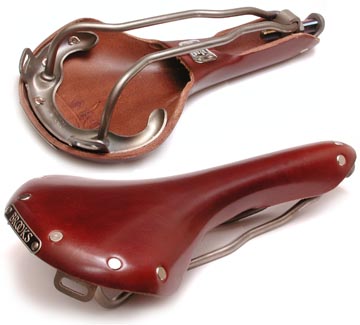
Figure B1. Classic Saddle. Image Credit.
Figure B2. Touring Saddle. Image Credit.


Figure B3. Road bike Saddle. Image Credit.
Walking around cycling shops, you'll notice many different saddle shapes and sizes. New cyclists may be tempted to choose a large, broad, soft or springy model. But there's a reason why road bike saddles are shaped as they are.

When you ride long distances, a larger saddle may chafe your inner thighs and a softer saddle provides insufficient support to your sit bones — the point where your butt actually intersects with the saddle. That is why saddles have the narrowed, tapered shape and the broad backside. Here is the problem with larges, squishy saddles simply stated:

Imagine sitting down on a coffee table. Your weight is concentrated on the two bumps of your "sit bones", also known as the "ischial tuberosities." These are the parts of your body designed to bear your seated weight. Most cases of saddle-related discomfort arise because the load is carried on the soft tissues between the sit bones. 
Imagine placing a soft pillow on top of the coffee table. Now, as you sit down on it, the sit bones compress the pillow, which yields until the sit bones are almost on the table surface again. The difference is that now, you have pressure in between your sit bones from the middle part of the pillow. 
In the same way, a saddle with excessively soft, thick padding can make you less comfortable by increasing the pressure between your sit bones. 
Many cyclists are unaware of this, and many saddles are made to appeal to the purchaser who chooses a saddle on the basis of how easily the thumb can sink into the squishy top. 
This type of saddle is only comfortable for very short rides, (though an inexperienced cyclist will often find it more comfortable than a better saddle, as long as rides don't exceed a mile or two.) 
Saddles with excessive padding are also a common cause of painful chafing of the inner thigh, as rides become longer.

(Thank you Sheldon Brown.)

If you find discomfort in your butt or numbness in your privates, you may have the wrong saddle or may have other fit issues. Before spending a lot of money on a series of new saddles, I recommend you get a competent bike fit: "It's the best $300 you'll ever spend to get more comfort and power out of your trusty steed." (not the bike fit you get from a salesperson when you buy the bike).

2. The Butt's Role in Support.

As a new rider, you may have the impression that riding a bicycle means sitting on the saddle, holding on by the handlebars, and pedaling with your thighs. However, that is not the proper way to look at it.

When riding, a good rule of thumb is to start out with about 60% of your weight on the rear wheel (via your butt), 40% the front wheel (via your arms), and shifting these numbers onto the pedals to varying degrees during pedal strokes (via your thighs and legs). Most of the google references on this topic are highly technical and related to racing. But for a new rider, the issue is comfort.

If you put too much weight on your butt, you're going to chafe and you're going to dislike cycling. If you put too much weight on your arms and hands, you're going to get numb fingers and you're going to dislike cycling. Thus, what is important is to keep a healthy balance between the two, attempting to keep everything under as little stress as possible for the maximum amount of time.

3. The Butt's Role in Control.

Steering a bicycle is not as simple as grabbing the handlebars and yanking left and right. There's a full-body motion involved in each and every turn you make. Smaller turns require the more subtle motion, too. This portion of this article will require more detailed explanation, and a quick Google search did not return immediately applicable material.

As I've written before, and will again when I write my article on steering, a good turn occurs when you press on the pedal with your outside foot, inside foot high in the pedal stroke. So, one of the most important roles of the saddle in steering is providing a lever from which to generate the push on the outside foot.

Another important role is when you need to actively lean your bike into a sharp, high-speed turn. More about that in a future post.

4. Why Your Butt Hurts: Changing Saddles may not Fix it.

There are two reasons why your butt may be hurting. First, you may be getting chaffing, which leads to irritation, which leads to infection. Symptoms of this are redness, bumps, pain, swelling, and itchiness. This kind of infection is common among cyclists. Over time, you may become a bit calloused in the creases under your butt cheeks. This is nothing to be alarmed over, so long as you cure any infection before it becomes chronic.

Try using some antibiotic ointment on the infected area (I'm not sure of the efficacy of this treatment, so consult with your doctor). Your physician may prescribe lidocaine to reduce pain and inflammation. Additionally, you may try ibuprofen or acetaminophen to reduce inflammation. Also, experiment with different short materials and styles. The stitching in less-expensive shorts may not agree with your physique.

Consult with your physician if these symptoms occur frequently, persist, or become severe. Otherwise, they are, to some degree, a right of passage for cyclists.

Second, you may experience soreness in your buttocks, thighs, or hamstrings after rides. If these symptoms are bearable and reduce with continued riding, they may be simply a matter of getting used to cycling. If they become worse with time or longer rides, you may need a bike fit.

In fact, if either of these conditions persist, a bike fit might help. Subtle changes in your interface with the bike may alleviate the pressure causing chaffing or causing muscular pain. Only consultation with a professional and testing will help you know for sure.

Love,
Your Bear

Over the next couple months, I'm going to write a few articles with the lead-in title "Absolute Beginners," explaining some of the basic principles of cycling. Most of the information is stuff I've learned from other cyclists, bike shop mechanics, classes I've taken, and Google searches. Please help me out and comment with corrections, additions, or supplements which will help my readers learn about how to operate their bikes!